After more than a year with the iPhone 4, the iPhone 4S--announced Tuesday by Apple CEO Tim Cook--seems a bit, well, underwhelming.
The hardware announced today offers no design overhaul. Apple upgraded the phone's camera from a 5-megapixel sensor to an 8-megapixel sensor, though, and the iPhone 4S will use the same dual-core A5 chip that the iPad 2 does.
4G capability? Forget it--Apple isn't going that route this time. We already knew about iOS 5 and its features for a while, but the inclusion of the Siri voice-activated software was a nice surprise.
That isn’t to say that I’m dissatisfied. Last year’s iPhone 4 still holds up among smartphones released this year, and the internal enhancements in the iPhone 4S, while a bit late to the game, are certainly welcome. The iPhone 4S is a good phone that has become even better, but I certainly wouldn’t call it “revolutionary.” And, on second thought, Apple didn’t either.
Related Slideshow Apple iPhone 4S Features Roundup: A Visual Tour

I am a little disappointed to see that the screen real estate didn’t get a bump. I’m definitely not asking for a 4.5-inch display (which is too big in my opinion), but 4 inches or even 3.7 inches would make Web browsing, movie watching, and gaming a bit more comfortable. Ramon Llamas, IDC's senior research analyst for mobile devices technology and trends, says that keeping the same screen size is actually a benefit to consumers and developers.
“You have all these incredible apps [in the App Store]. If you do a different screen size, it will wreak havoc for the developer community,” Llamas says. A consistent screen size is one of the reasons why the App Store has such a high number of apps, he adds.
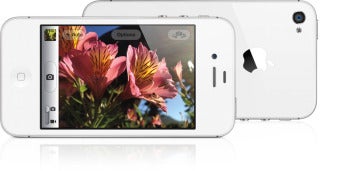 Apple iPhone 4S camera featuresApple isn't the only tech company that loves to tick off specs and claim its products are the first to market with a certain technology. Most companies that do so rely on consumers' failure to understand the technology or know what the specs mean. Such confusion frequently happens with camera specs, so I asked my colleague Tim Moynihan, PCWorld’s camera editor, to decipher some of the specs announced for the iPhone 4S’s camera.
Apple says that the new iPhone’s 8-megapixel camera is built around a backside-illuminated (BSI) CMOS sensor, a type of low-light-optimized sensor that debuted in Sony's cameras a few years ago. BSI sensors are now fairly commonplace in CMOS-based cameras, including both stand-alone cameras and a growing number of camera phones.
A BSI sensor is designed such that small, light-blocking wires move to the back of the sensor, making the sensor's surface a more efficient light-gathering source; as such, BSI-sensor cameras usually perform well in low-light situations without a flash. The iPhone 4's 5-megapixel sensor was also a BSI sensor, and was very good; the new sensor in the iPhone 4S is likely a higher-resolution version.
Apple also says the iPhone 4S has a five-element lens that offers 30 percent more sharpness. According to Moynihan, the lens specs sound good, but we'll need to test Apple's claims of improved image sharpness in our labs. The iPhone 4S's F2.4 lens has a wider aperture than most phone cameras do; coupled with the low-light-optimized sensor, it should perform well in low-light situations and at quick shutter speeds. The T-Mobile MyTouch 4G Slide's F2.2 aperture is still a bit wider. (The HTC-made MyTouch 4G Slide is PCWorld's top-ranking phone camera right now.)
[Read: Android Camera Shootout: 13 Phones Put to the Test]
According to Moynihan, unless the sensor size is also 60 percent bigger, the added resolution could translate to worse image quality when compared with that of the iPhone 4. When you pack a sensor of the same size with more pixels, you can end up with a lot of noise and artifacts.
The hardware announced today offers no design overhaul. Apple upgraded the phone's camera from a 5-megapixel sensor to an 8-megapixel sensor, though, and the iPhone 4S will use the same dual-core A5 chip that the iPad 2 does.
4G capability? Forget it--Apple isn't going that route this time. We already knew about iOS 5 and its features for a while, but the inclusion of the Siri voice-activated software was a nice surprise.
That isn’t to say that I’m dissatisfied. Last year’s iPhone 4 still holds up among smartphones released this year, and the internal enhancements in the iPhone 4S, while a bit late to the game, are certainly welcome. The iPhone 4S is a good phone that has become even better, but I certainly wouldn’t call it “revolutionary.” And, on second thought, Apple didn’t either.
Related Slideshow Apple iPhone 4S Features Roundup: A Visual Tour
Design: No Changes, No Problem
The iPhone 4S has an identical design to the iPhone 4, but its guts are all new. Although that might be a disappointment to some people (no larger display, no slimmer body, no tear-shape game-friendly design), I am actually pretty happy with it. I really like the iPhone 4 design: It's still the thinnest smartphone available (despite Samsung’s claims), and it has a stylish, premium look thanks to the glass face and back.I am a little disappointed to see that the screen real estate didn’t get a bump. I’m definitely not asking for a 4.5-inch display (which is too big in my opinion), but 4 inches or even 3.7 inches would make Web browsing, movie watching, and gaming a bit more comfortable. Ramon Llamas, IDC's senior research analyst for mobile devices technology and trends, says that keeping the same screen size is actually a benefit to consumers and developers.
“You have all these incredible apps [in the App Store]. If you do a different screen size, it will wreak havoc for the developer community,” Llamas says. A consistent screen size is one of the reasons why the App Store has such a high number of apps, he adds.
The Best Camera? Hard to Say
Apple iPhone 4S camera featuresApple isn't the only tech company that loves to tick off specs and claim its products are the first to market with a certain technology. Most companies that do so rely on consumers' failure to understand the technology or know what the specs mean. Such confusion frequently happens with camera specs, so I asked my colleague Tim Moynihan, PCWorld’s camera editor, to decipher some of the specs announced for the iPhone 4S’s camera. Apple says that the new iPhone’s 8-megapixel camera is built around a backside-illuminated (BSI) CMOS sensor, a type of low-light-optimized sensor that debuted in Sony's cameras a few years ago. BSI sensors are now fairly commonplace in CMOS-based cameras, including both stand-alone cameras and a growing number of camera phones.
A BSI sensor is designed such that small, light-blocking wires move to the back of the sensor, making the sensor's surface a more efficient light-gathering source; as such, BSI-sensor cameras usually perform well in low-light situations without a flash. The iPhone 4's 5-megapixel sensor was also a BSI sensor, and was very good; the new sensor in the iPhone 4S is likely a higher-resolution version.
Apple also says the iPhone 4S has a five-element lens that offers 30 percent more sharpness. According to Moynihan, the lens specs sound good, but we'll need to test Apple's claims of improved image sharpness in our labs. The iPhone 4S's F2.4 lens has a wider aperture than most phone cameras do; coupled with the low-light-optimized sensor, it should perform well in low-light situations and at quick shutter speeds. The T-Mobile MyTouch 4G Slide's F2.2 aperture is still a bit wider. (The HTC-made MyTouch 4G Slide is PCWorld's top-ranking phone camera right now.)
[Read: Android Camera Shootout: 13 Phones Put to the Test]
More Pixels Make It Better?
When Apple says that the iPhone 4S camera has 60 percent more pixels than the iPhone 4 camera, it means that an 8-megapixel camera is technically 160 percent of the resolution of a 5-megapixel camera. So really, it doesn’t translate directly to improved image quality, as more megapixels aren't an indicator of better image quality on small-sensored cameras. The higher megapixel count does mean that you'll be able to print out images at a bigger size without losing resolution, or to crop images without the cropped area losing resolution.According to Moynihan, unless the sensor size is also 60 percent bigger, the added resolution could translate to worse image quality when compared with that of the iPhone 4. When you pack a sensor of the same size with more pixels, you can end up with a lot of noise and artifacts.

No comments:
Post a Comment